
What Are Skin Tags?
Skin tags, medically known as acrochordons, are small, soft, benign growths that hang off the skin by a thin stalk called a peduncle. They typically appear as flesh-colored or slightly darker protrusions ranging in size from a few millimeters to about a centimeter in diameter, though some can grow larger. Their surface is usually smooth or slightly wrinkled, and they have a soft, pliable texture that distinguishes them from harder growths like warts or moles.
These growths are extremely common — studies suggest that approximately 46% of the general population has at least one skin tag, with prevalence increasing significantly with age. They are most commonly found in areas where skin rubs against skin or clothing, including the neck, armpits, groin, under the breasts, and on the eyelids. They can also appear on the face, particularly around the eyes.
Skin tags are completely benign and pose no health risk. They do not become cancerous and are not contagious. However, they can become irritated or bleed if they are repeatedly rubbed or caught on clothing or jewelry, which is one of the most common reasons people seek removal.
Important Note
While skin tags are generally harmless, any new skin growth that changes in size, color, or shape, bleeds without being irritated, or causes pain should be evaluated by a dermatologist to rule out other conditions. Never attempt to remove a growth you are not certain is a skin tag.
What Causes Skin Tags?
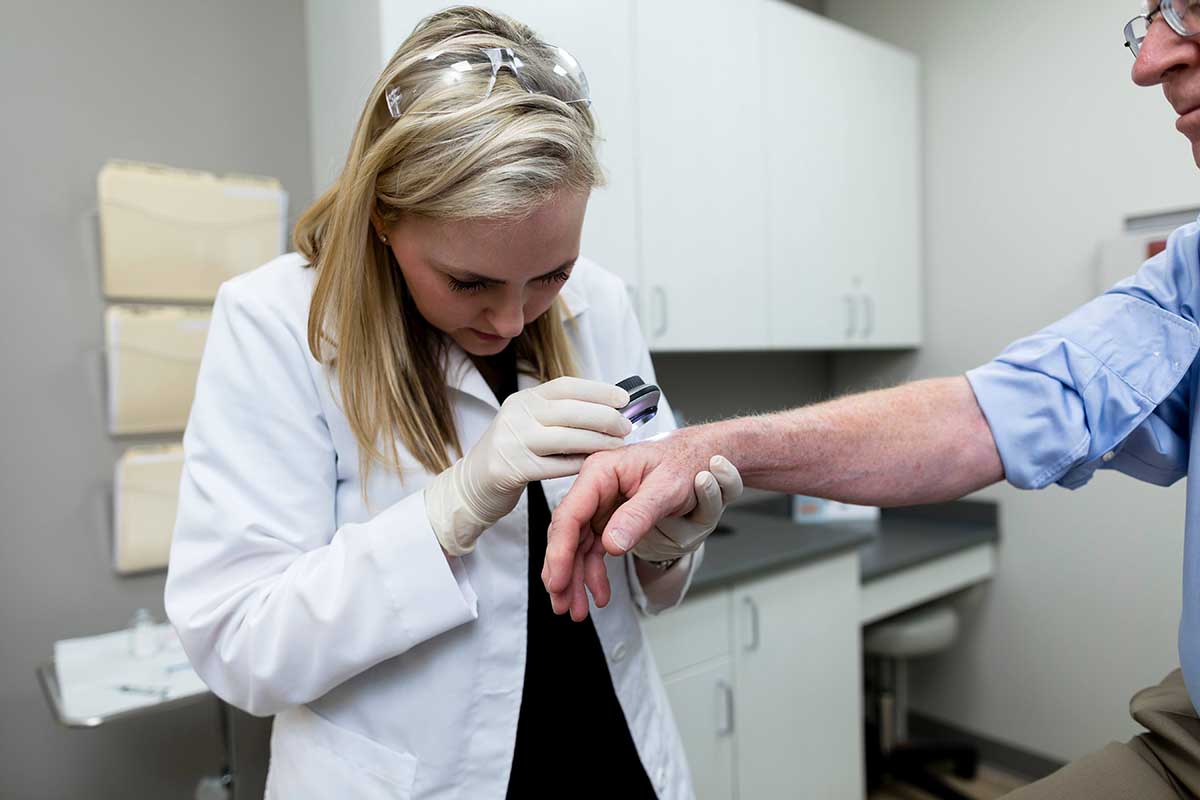
The exact cause of skin tags is not fully understood, but several factors are known to increase the likelihood of developing them. Friction is believed to be the primary mechanical trigger — the constant rubbing of skin against skin or clothing in areas like the neck, armpits, and groin creates the conditions that stimulate skin tag formation.
Hormonal changes also play a role. Skin tags are more common during pregnancy, when elevated levels of hormones including estrogen and progesterone may stimulate their growth. People with diabetes are significantly more likely to develop skin tags, and the presence of multiple skin tags has been proposed as a potential marker for insulin resistance.
Genetics appear to contribute as well — skin tags tend to run in families, suggesting a hereditary component to susceptibility. Obesity is another significant risk factor, likely because it increases skin-on-skin friction in body folds and is associated with hormonal changes that may promote skin tag formation.
Age is perhaps the most consistent risk factor. Skin tags are rare in children but become increasingly common with advancing age, with peak prevalence in middle-aged and older adults. By age 70, the majority of people will have developed at least one skin tag.
Professional Removal Methods
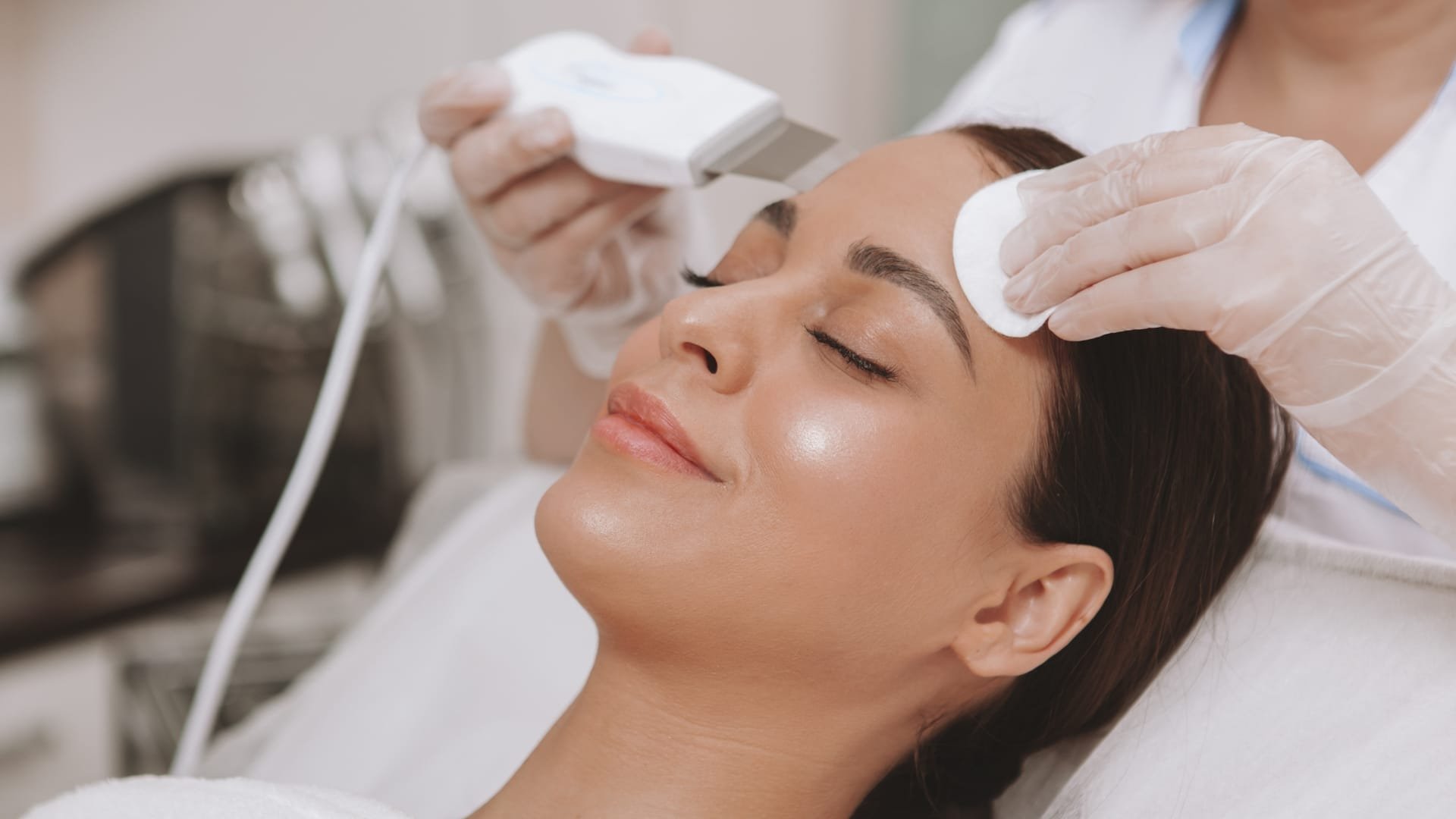
Dermatologists and other medical professionals use several well-established techniques to remove skin tags safely and effectively. These procedures are typically quick, minimally uncomfortable, and carry very low risk of complications when performed by a trained provider.
Cryotherapy (Freezing)
Cryotherapy involves applying liquid nitrogen to the skin tag, which freezes the tissue and causes it to die and fall off over the following days to weeks. This is one of the most commonly used methods for skin tag removal in dermatology offices. The procedure takes only a few seconds and causes a brief stinging or burning sensation. Multiple treatments may be required for larger skin tags.
Electrocautery (Burning)
Electrocautery uses an electrical current to burn and destroy the skin tag tissue. A small probe delivers controlled electrical energy to the growth, cauterizing it while simultaneously sealing the surrounding blood vessels to minimize bleeding. This technique is particularly effective for skin tags with a broad base. The procedure is performed under local anesthesia and typically leaves minimal scarring.
Surgical Excision (Cutting)
Surgical excision involves cutting the skin tag off at its base using sterile scissors or a scalpel. This is the most straightforward removal method and is particularly suitable for larger skin tags or those with a well-defined stalk. The procedure is performed under local anesthesia and takes only a few minutes. The removed tissue can be sent for pathological examination if there is any diagnostic uncertainty.
Ligation
Ligation involves tying a small suture or thread tightly around the base of the skin tag, cutting off its blood supply. Without blood flow, the tissue dies and the skin tag falls off over a period of several days to two weeks. This technique is sometimes used for skin tags with a narrow, well-defined stalk and is one of the gentler removal methods available.
Safety Warning
Attempting to remove skin tags at home by cutting, burning, or aggressively tying them off carries significant risks including infection, excessive bleeding, scarring, and incomplete removal. Always consult a healthcare provider before attempting any removal procedure.
Over-the-Counter Removal Options
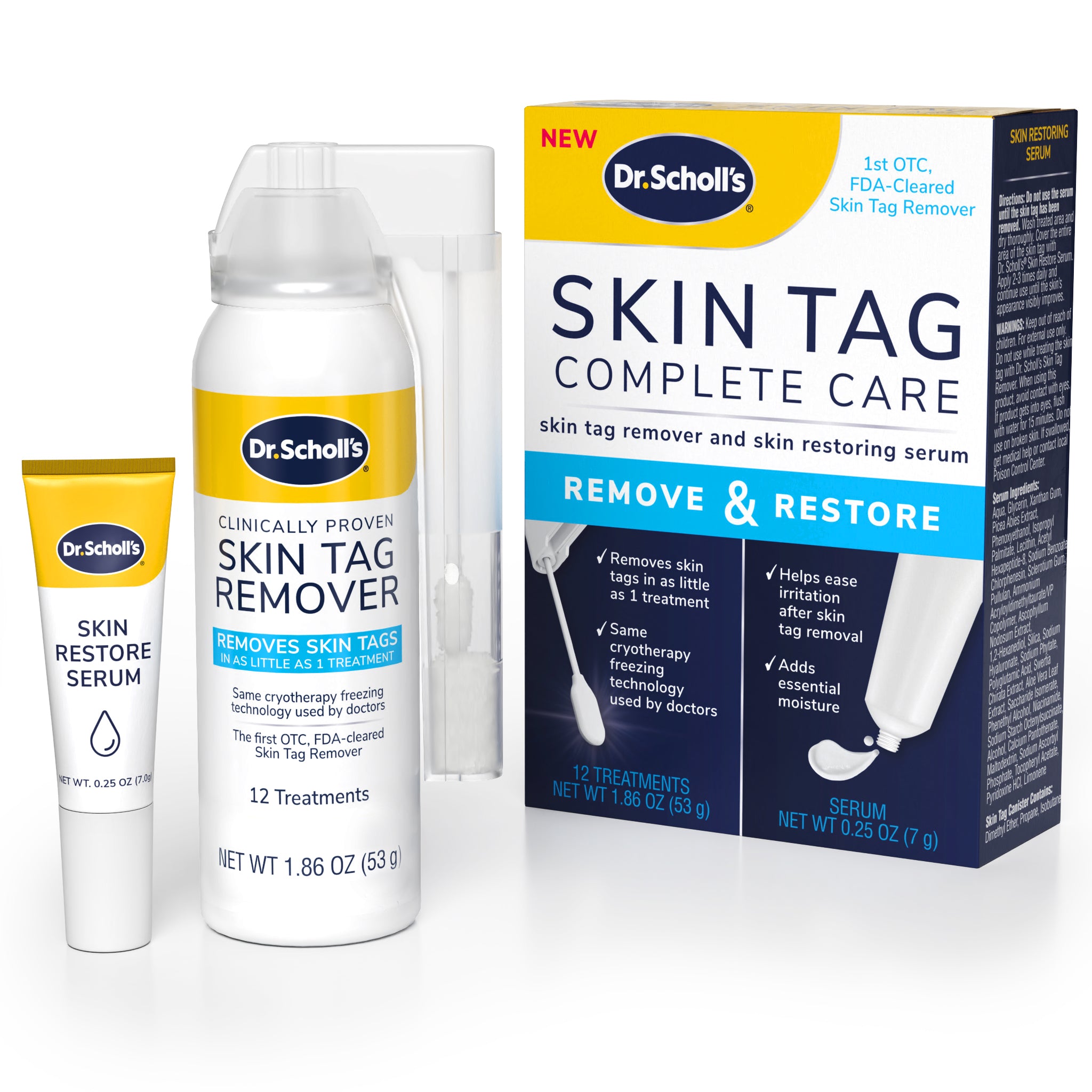
Several over-the-counter products are marketed for skin tag removal, with varying degrees of evidence supporting their effectiveness. Understanding what these products contain and how they work can help you make an informed decision about whether they are appropriate for your situation.
Cryotherapy Kits
Consumer cryotherapy kits use a compressed gas mixture to freeze skin tags at temperatures similar to those used in professional cryotherapy, though typically not as cold as liquid nitrogen. These products can be effective for small, well-defined skin tags but may require multiple applications. They should be used carefully to avoid freezing surrounding healthy skin, which can cause blistering and scarring.
Ligation Bands
Micro-band ligation kits provide small elastic bands designed to be placed around the base of a skin tag to cut off its blood supply. These products work on the same principle as professional ligation and can be effective for skin tags with a clear, narrow stalk. They are generally considered safer than cutting or burning methods for home use.
Topical Solutions
Various topical preparations containing ingredients such as salicylic acid, tea tree oil, or other compounds are marketed for skin tag removal. The evidence supporting these products is generally limited, and results tend to be slower and less reliable than professional or cryotherapy-based methods. They may be worth trying for very small skin tags in individuals who prefer a gradual, non-invasive approach.
When to See a Dermatologist

While many skin tags can be safely managed with over-the-counter products or simply left alone, certain situations warrant professional evaluation and treatment. You should consult a dermatologist if you are uncertain whether a growth is actually a skin tag, if the growth is changing in appearance, if it is located in a sensitive area such as near the eye, if it is causing significant discomfort or bleeding, or if you have multiple new growths appearing rapidly.
A dermatologist can definitively diagnose your skin condition, recommend the most appropriate removal method for your specific situation, and perform the procedure safely with minimal risk of complications. Professional removal is also the best option for skin tags in sensitive locations, large skin tags, or situations where cosmetic outcome is particularly important.
Regular skin examinations by a dermatologist are valuable not just for addressing skin tags but for monitoring overall skin health, detecting early signs of skin cancer, and managing any other skin conditions you may have. Most dermatologists recommend annual full-body skin examinations for adults, with more frequent visits for those with a personal or family history of skin cancer.
Contact Dermatology Reports
Email: [email protected]
Address: 32001 Medical Center Drive, Suite 500, Nashville, TN 37203, United States